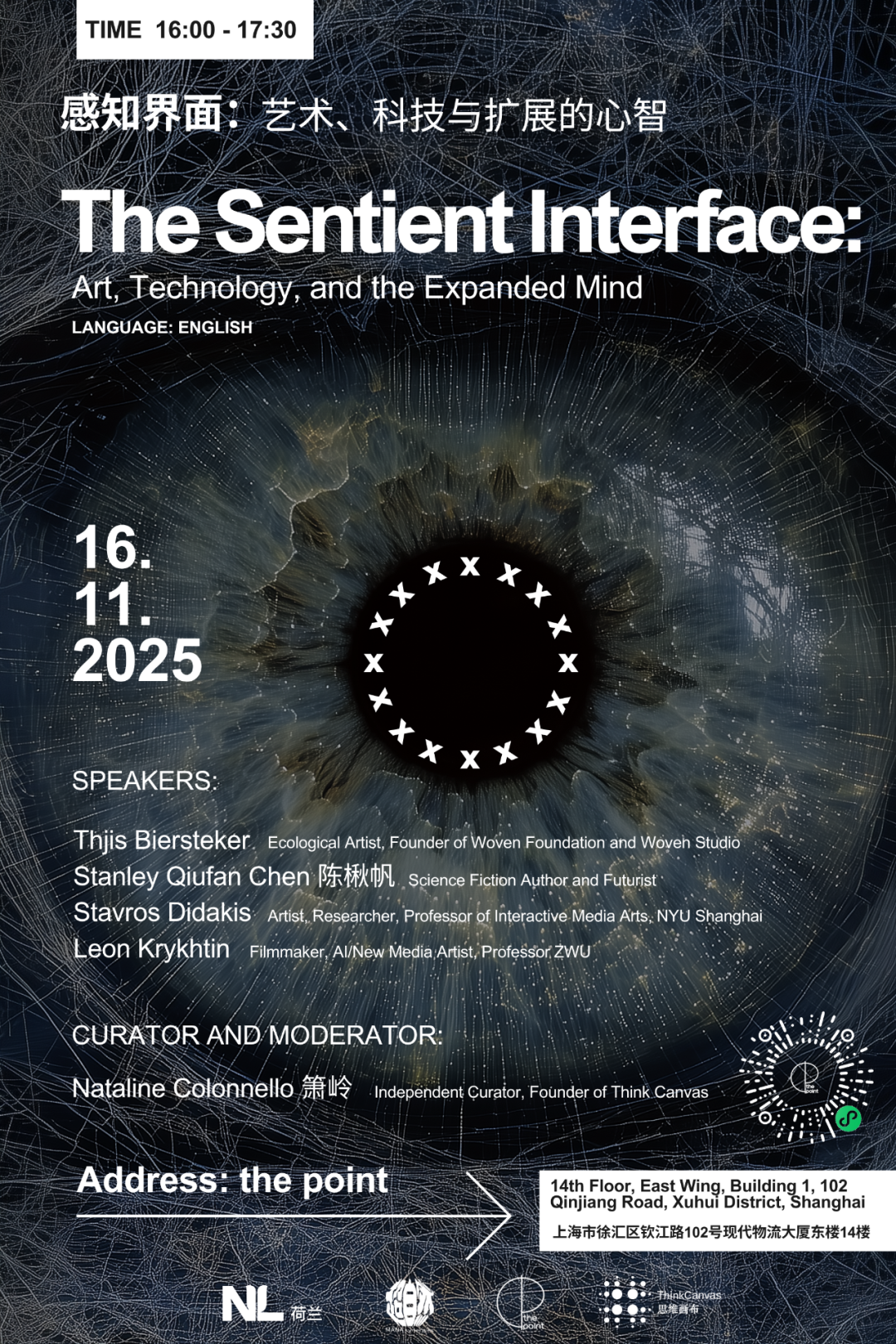
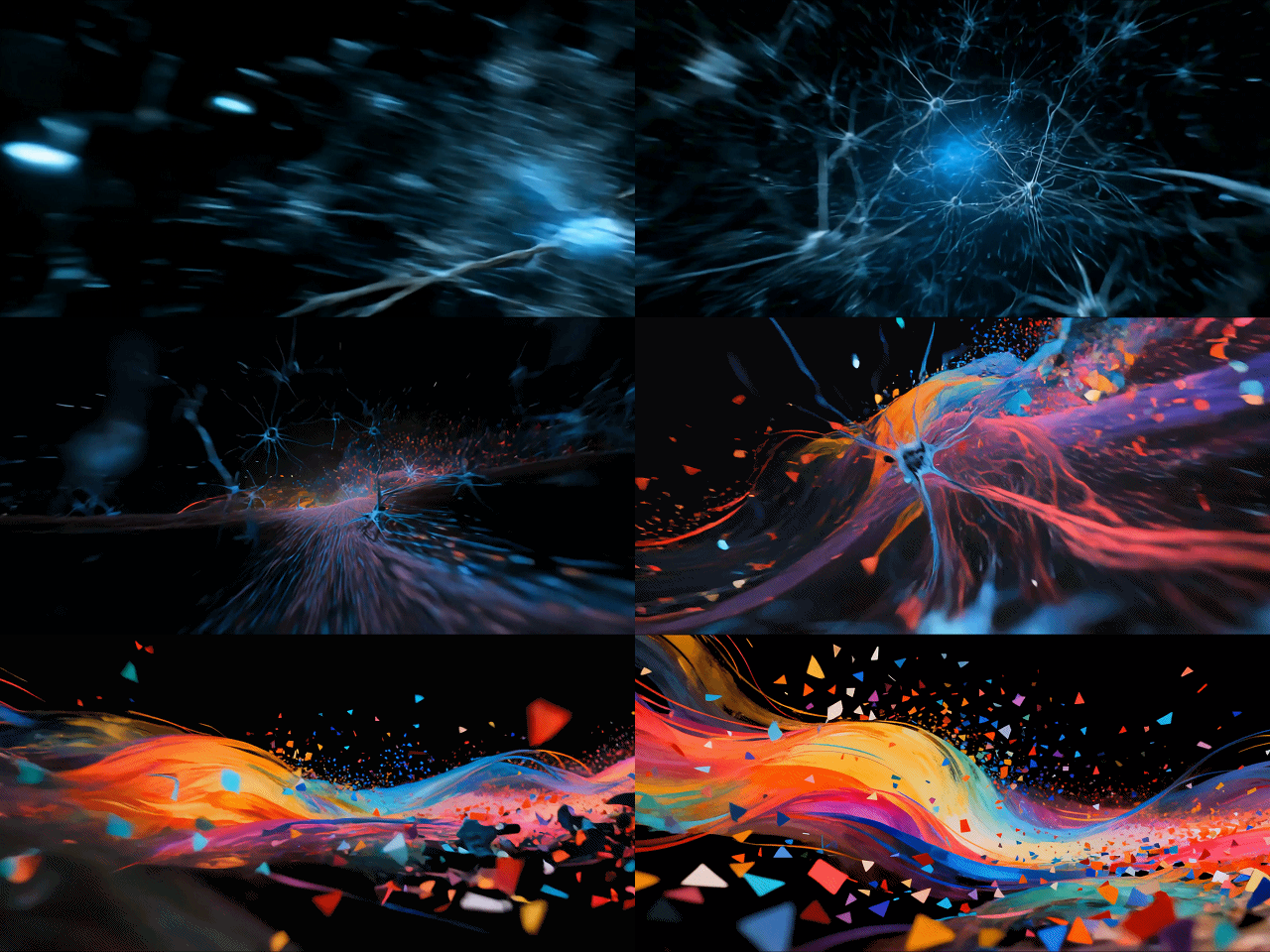
In an age where computation permeates perception and data shapes our understanding of life, the boundaries between the organic and the synthetic, the factual and the emotional, are becoming increasingly porous. This panel gathers four visionary practitioners working at the intersections of art, science, and technology to examine how creative processes can translate the invisible—whether ecological data, cognitive states, or algorithmic operations—into embodied aesthetic experience.
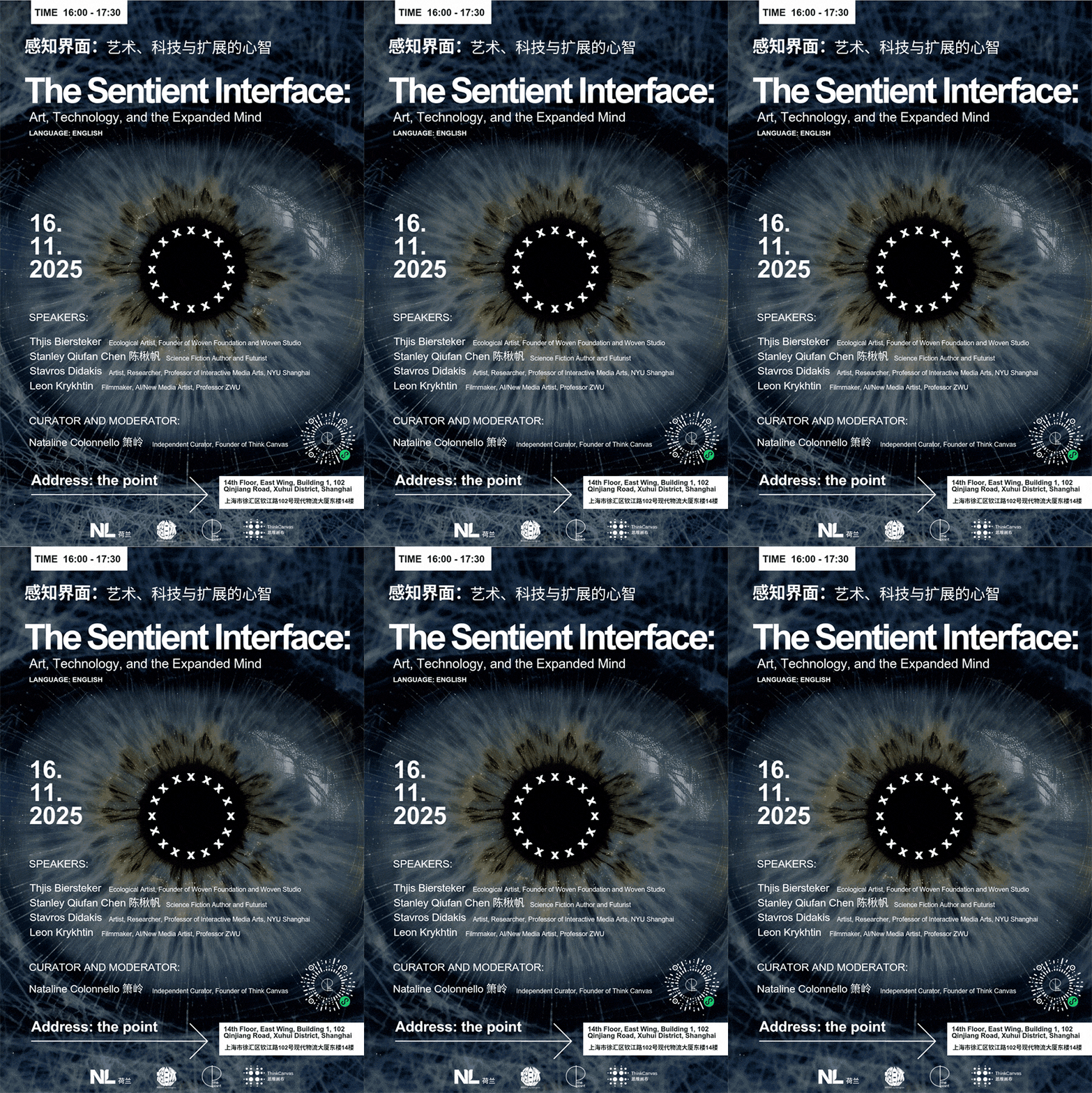
From Thijs Biersteker’s ecologically driven data installations that render climate change perceptible through sensory engagement, to Stanley Qiufan Chen’s AI-augmented storytelling exploring posthuman ethics and narrative agency; from Stavros Didakis’s computational ecologies negotiating the limits of human and machinic co-agency, to Leon Krykhtin’s generative cinema interrogating the moral architectures of artificial consciousness—each contribution proposes a distinct entry point into our evolving relationship with intelligent systems and environmental interdependence.
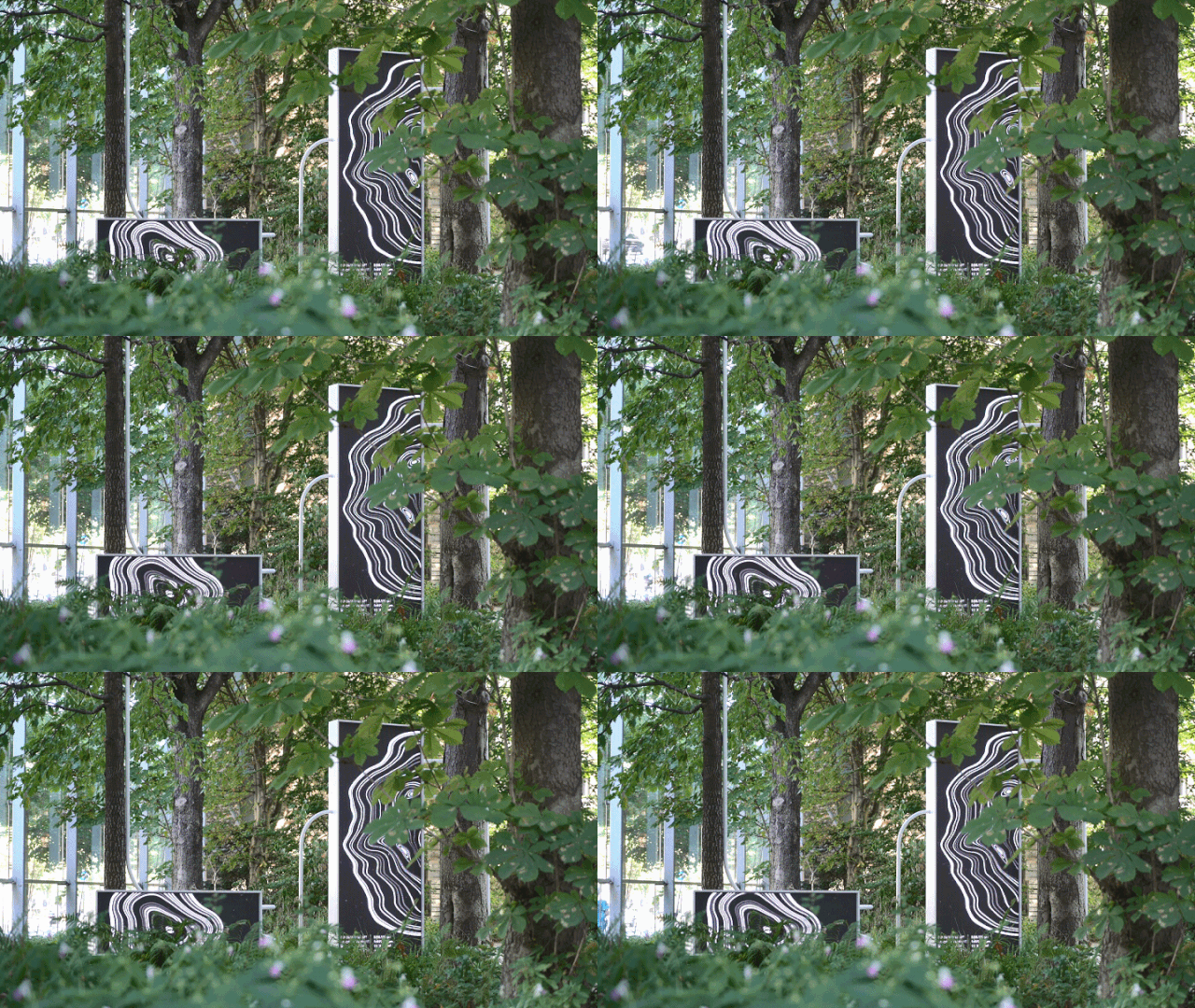
“Mind Over Matter”by Thijs Biersteker
The discussion transcends disciplinary boundaries to examine how artistic imagination can operate as both a critical lens and an empathic interface in the algorithmic age. What new forms of perception and responsibility emerge when machines begin to sense, imagine, and decide alongside us? How might art reconfigure our collective capacity to feel the facts—ecological, ethical, or existential—that define our time?
Curated and moderated by Nataline Colonnello (箫岭), independent curator and founder of ThinkCanvas, whose curatorial practice investigates the convergences of cognition, embodiment, and artistic meaning-making within the expanded field of art, science, and technology.
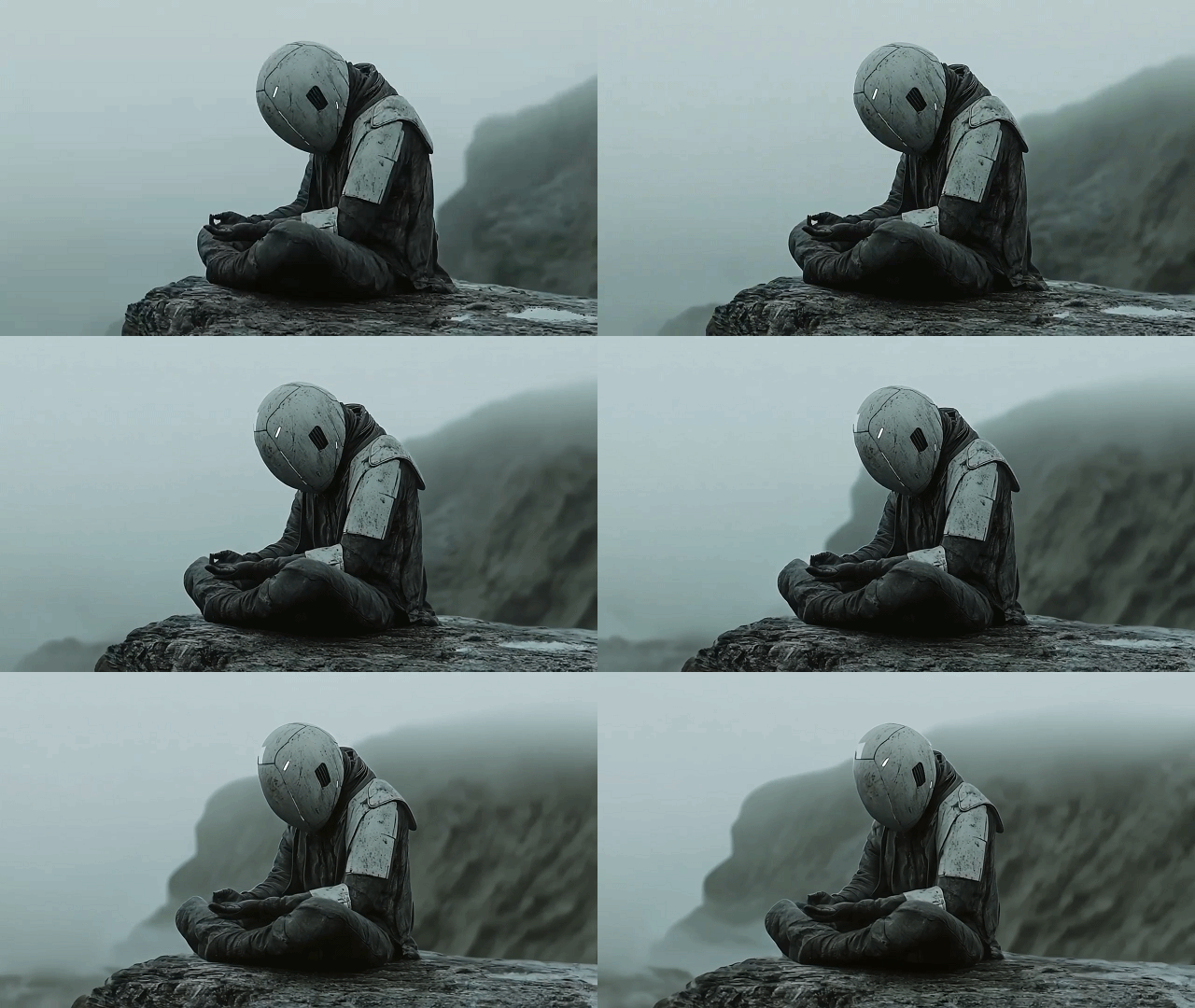
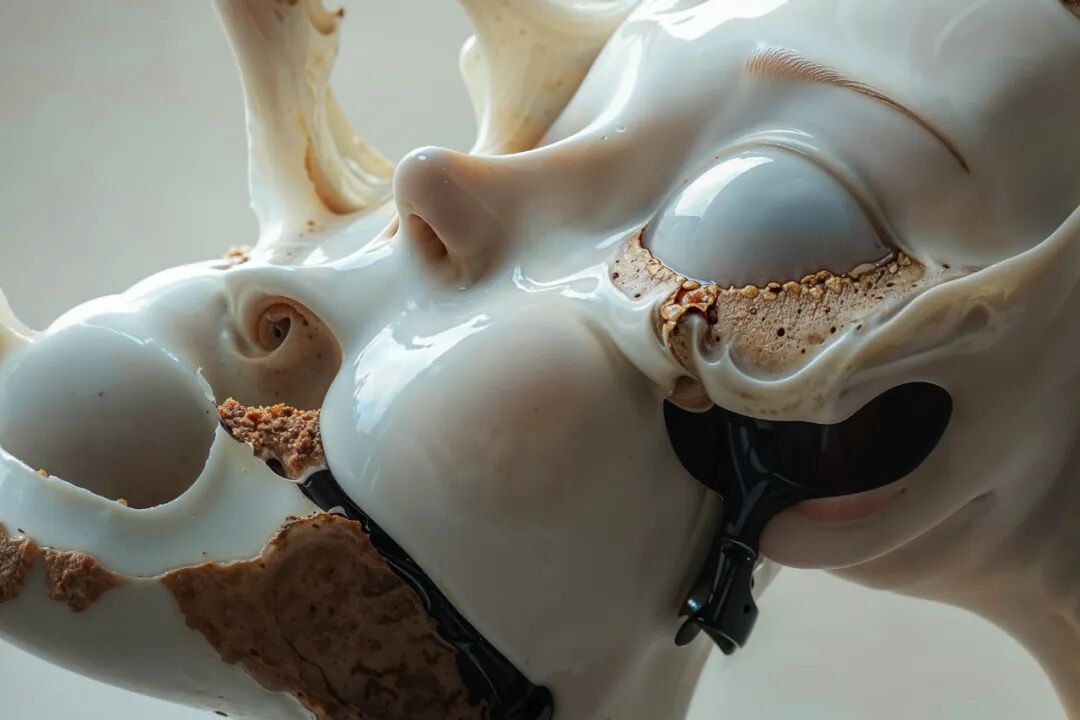
MERCILESS, 2025 by Leon Krykhtin
Guest speakers and
topic introductions

Thijs Biersteker
Ecological Artist, FounderWoven Foundation and Woven Studio.
Thijs Biersteker visualizes environmental data through interactive installations that merge art, science, and technology to deepen awareness of ecological interdependence.
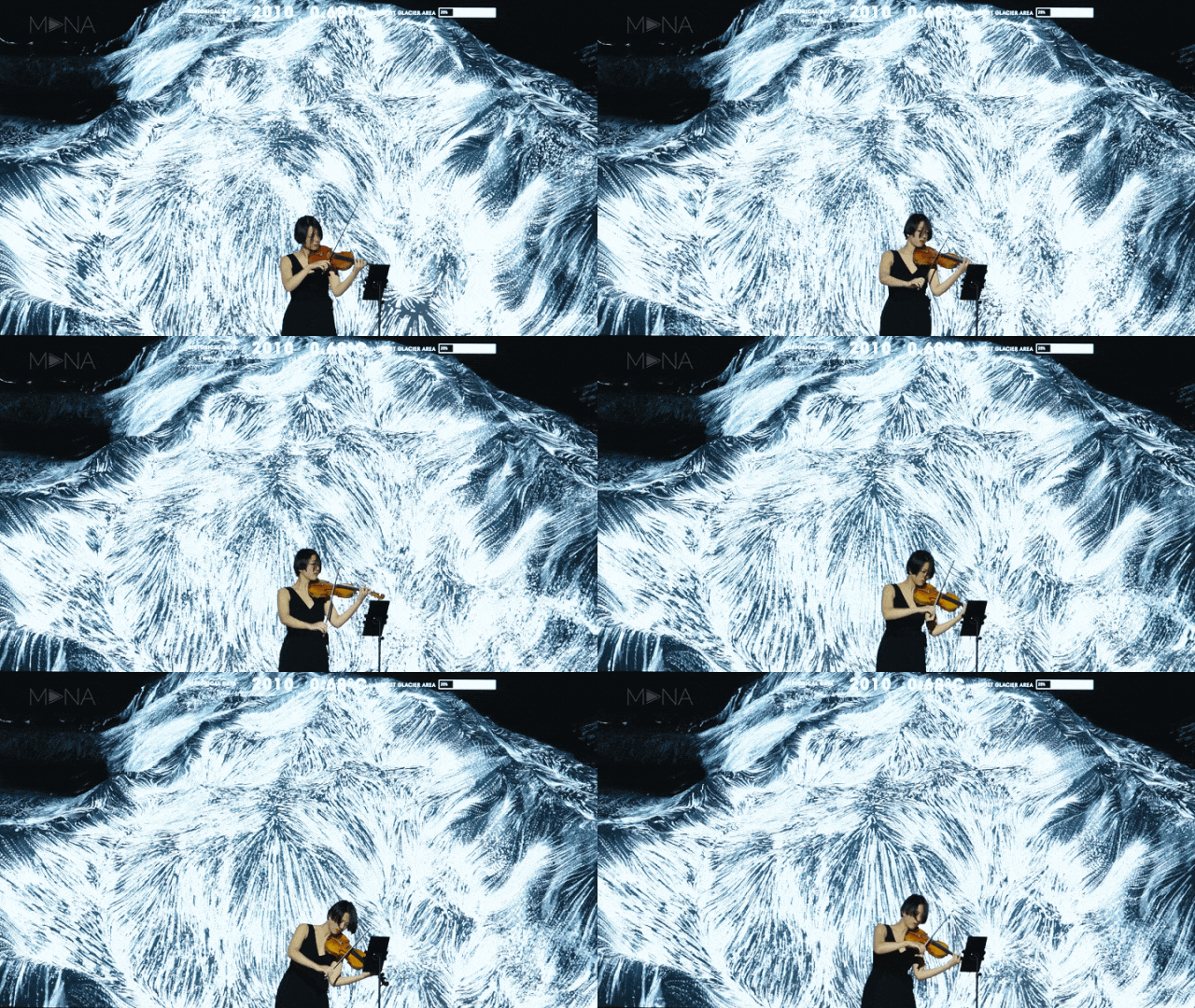
‘Memories of the Melted’ by Thijs Biersteker in collaboration with violinist Songha Choi and scientists Heïdi Sevestre and Matthias Huss. Commissioned by Villars Institute. Video by Villars Institute.
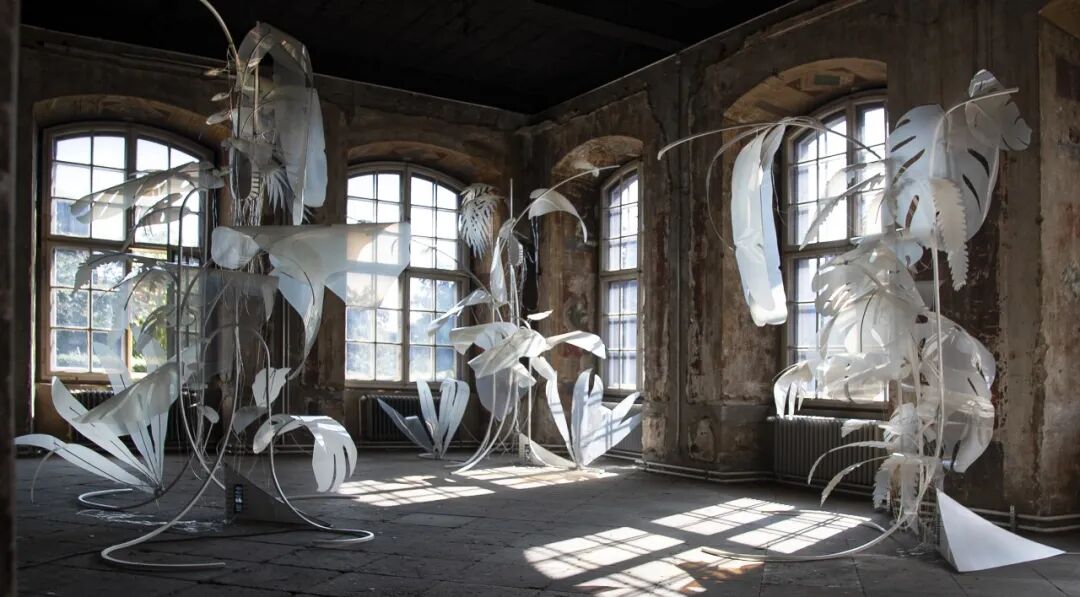
‘Wither’ 2021, by Thijs Biersteker in collaboration with UNESCO, 2021 on view at Staatlichen Kunstsammlung Dresden ©ThijsBiersteker
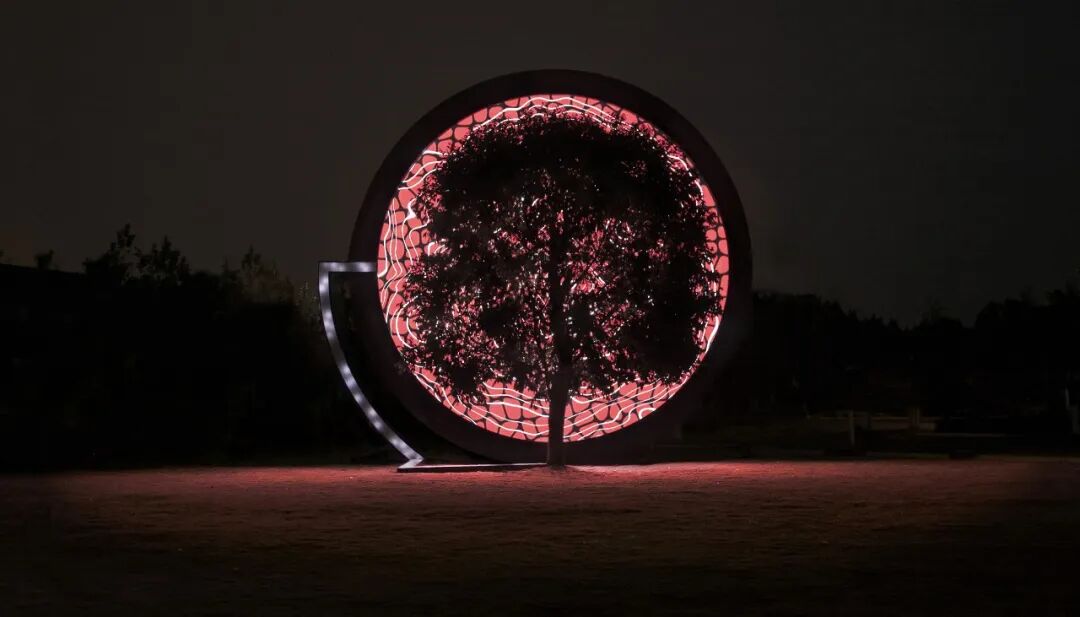
‘Voice of Nature’ 2018 by Thijs Biersteker, ©ThijsBiersteker
Talk title
《When We Can Feel the Facts》
World-renowned ecological artist Thijs Biersteker explores how scientific data can be transformed into powerful, emotional experiences. Through his work at the Woven Foundation, and in collaboration with leading scientists and institutions like UNESCO and the UN, he creates installations that blend AI and trees, mycelium and 3D printing, datasets and deforestation in scientifically solid but poetic ways. Rooted in the principles of data aesthetics, his work builds the imagination infrastructure we need to face the climate crisis, offering sensory evidence that turns abstract science into something we can feel. This talk invites you to discover the hidden beauty in ecological data, and how art and science together can help us better understand the world we live in.
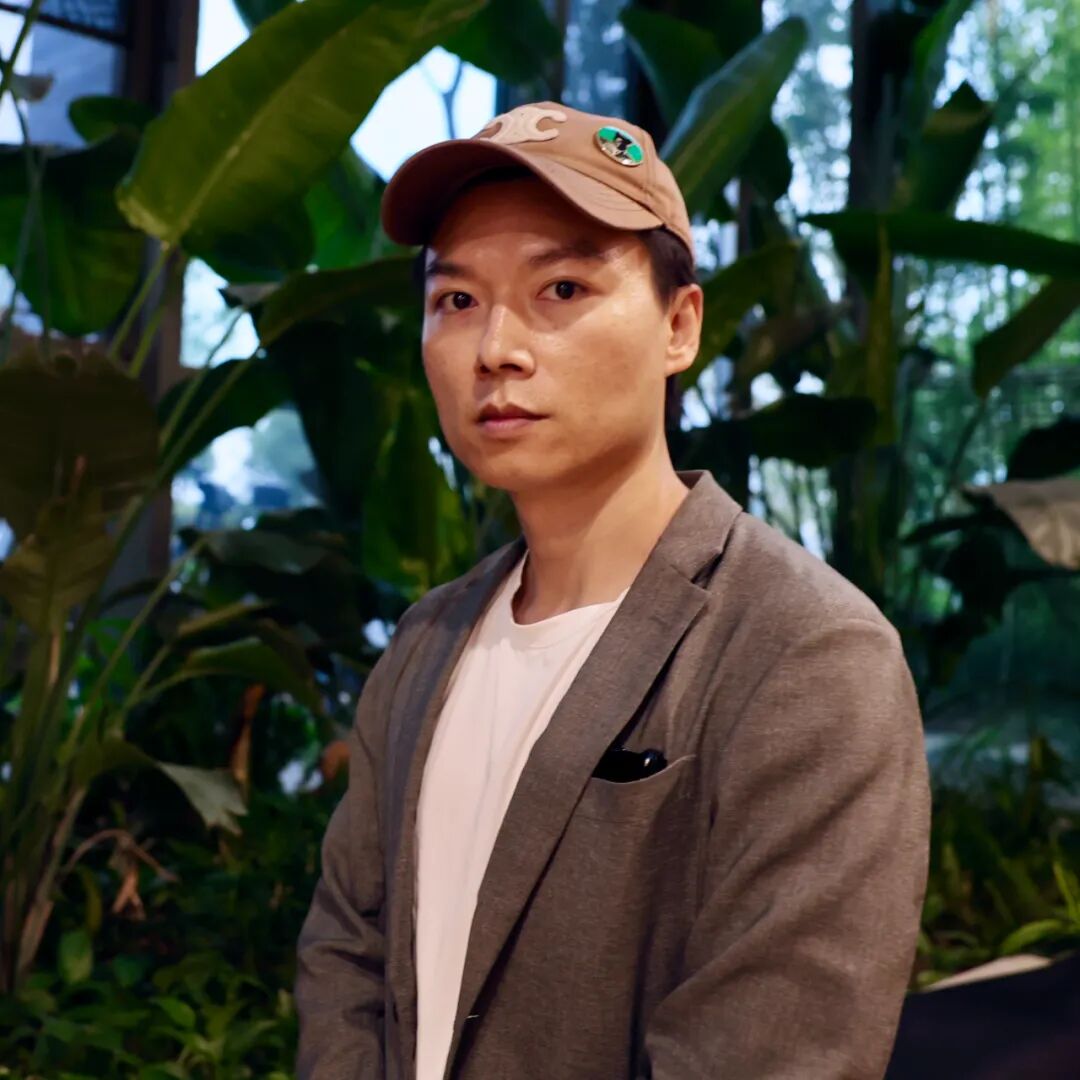
Stanley Qiufan Chen
Science Fiction Author & Futurist
Chen blends narrative and technology to investigate hybrid human–machine futures, ethical questions, and the meaning of consciousness in a postdigital age.
Talk Title
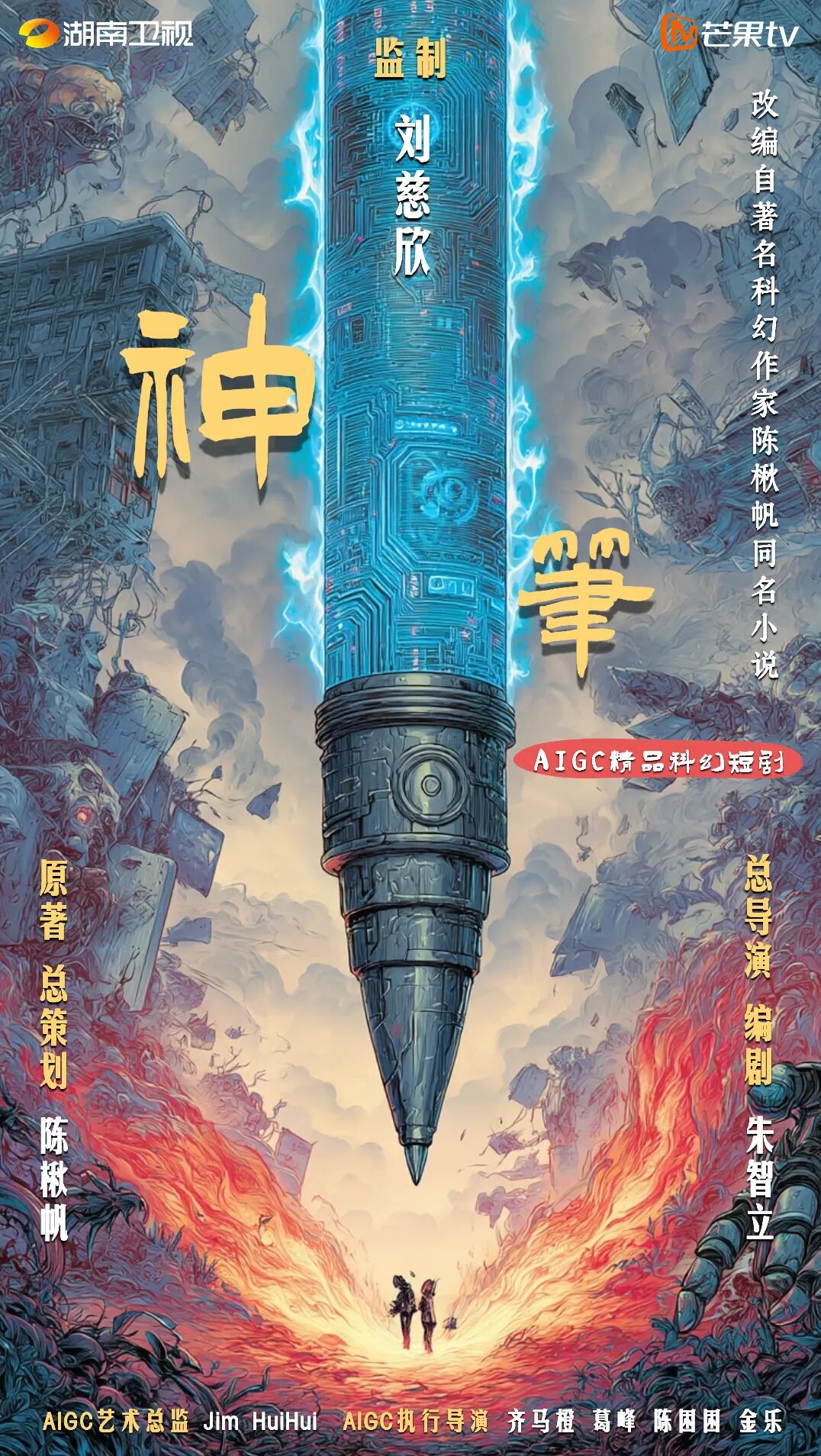
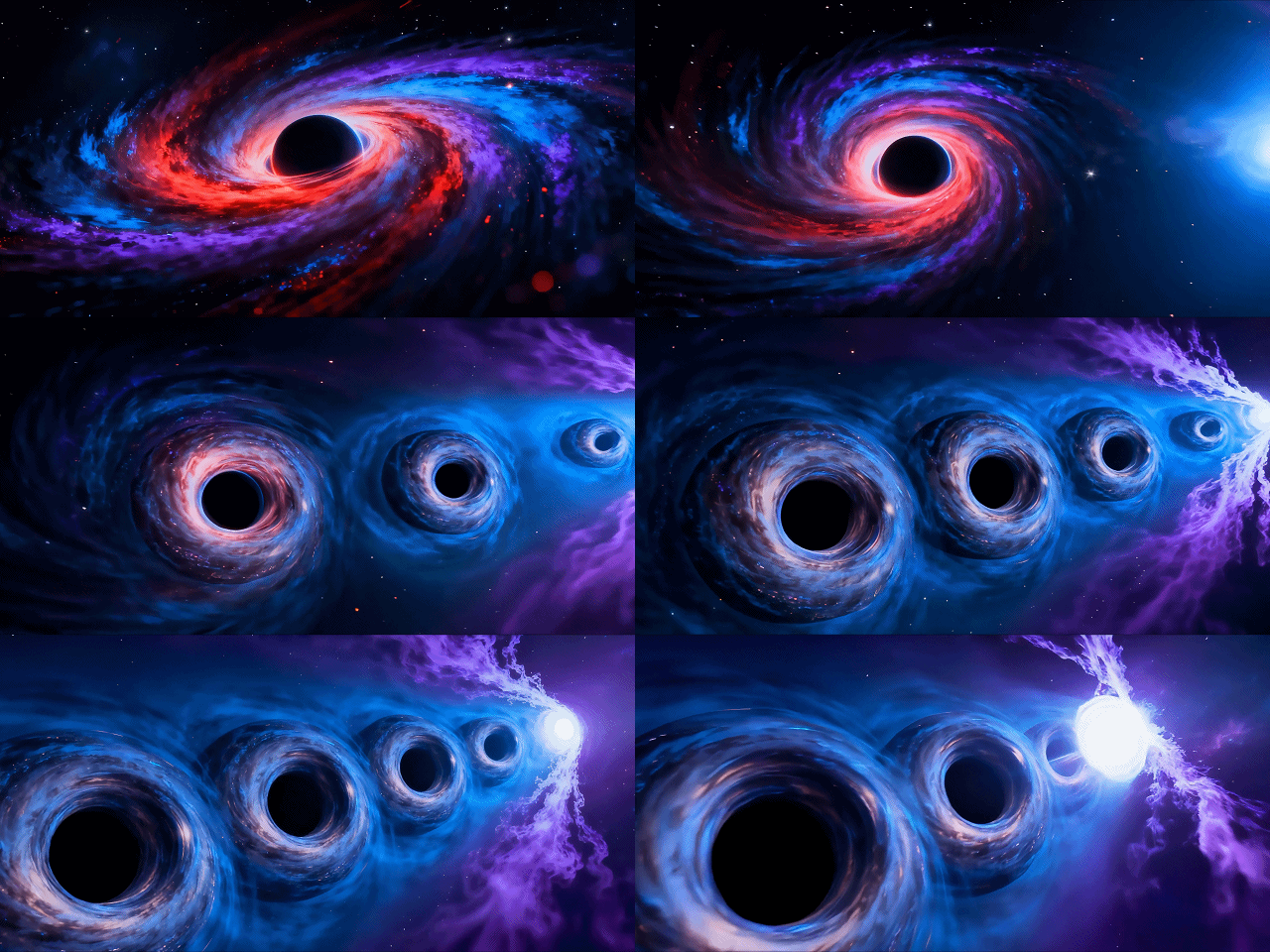
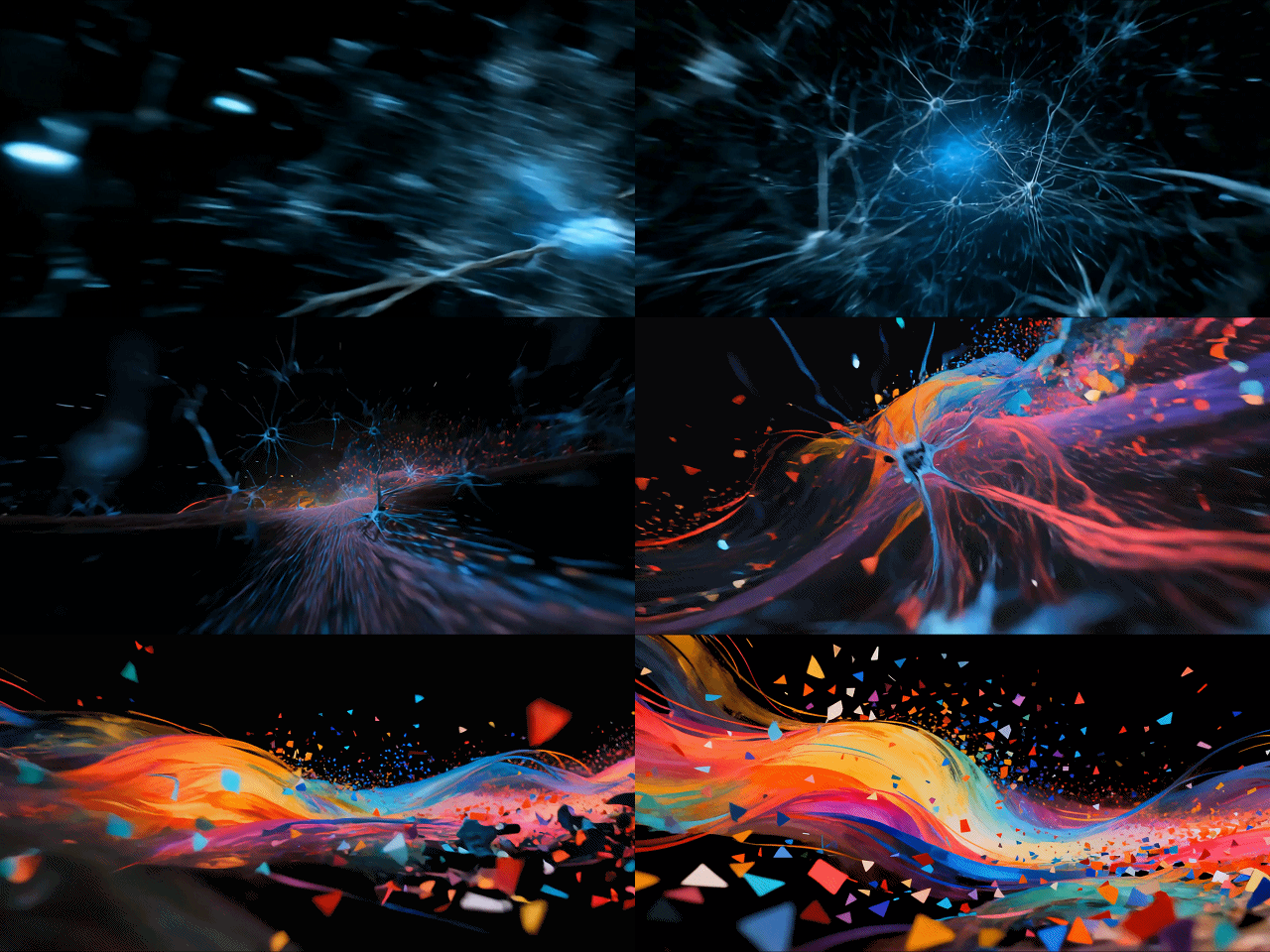
《Story-driven AIGC Production Pipeline
on Miniseries “Divine Pen”》
This talk presents a story-driven AIGC production pipeline tailored for the miniseries "Divine Pen" (Episode 6), integrating extensive visual reference analysis and creative spatial redesign to optimize the virtual scene presentation. By leveraging diverse AIGC tools and technical adjustments for smooth visual transitions, combined with audio integration to enrich narrative layers, the pipeline effectively enhances the immersive and expressive quality of the special effects, setting a solid foundation for subsequent plot development.

Stavros Didakis
Artist, Researcher, Associate Professorof Interactive Media Arts, NYU Shanghai.
Stavros Didakis designs immersive, sensor-driven installations that explore perception, environment, and speculative futures.
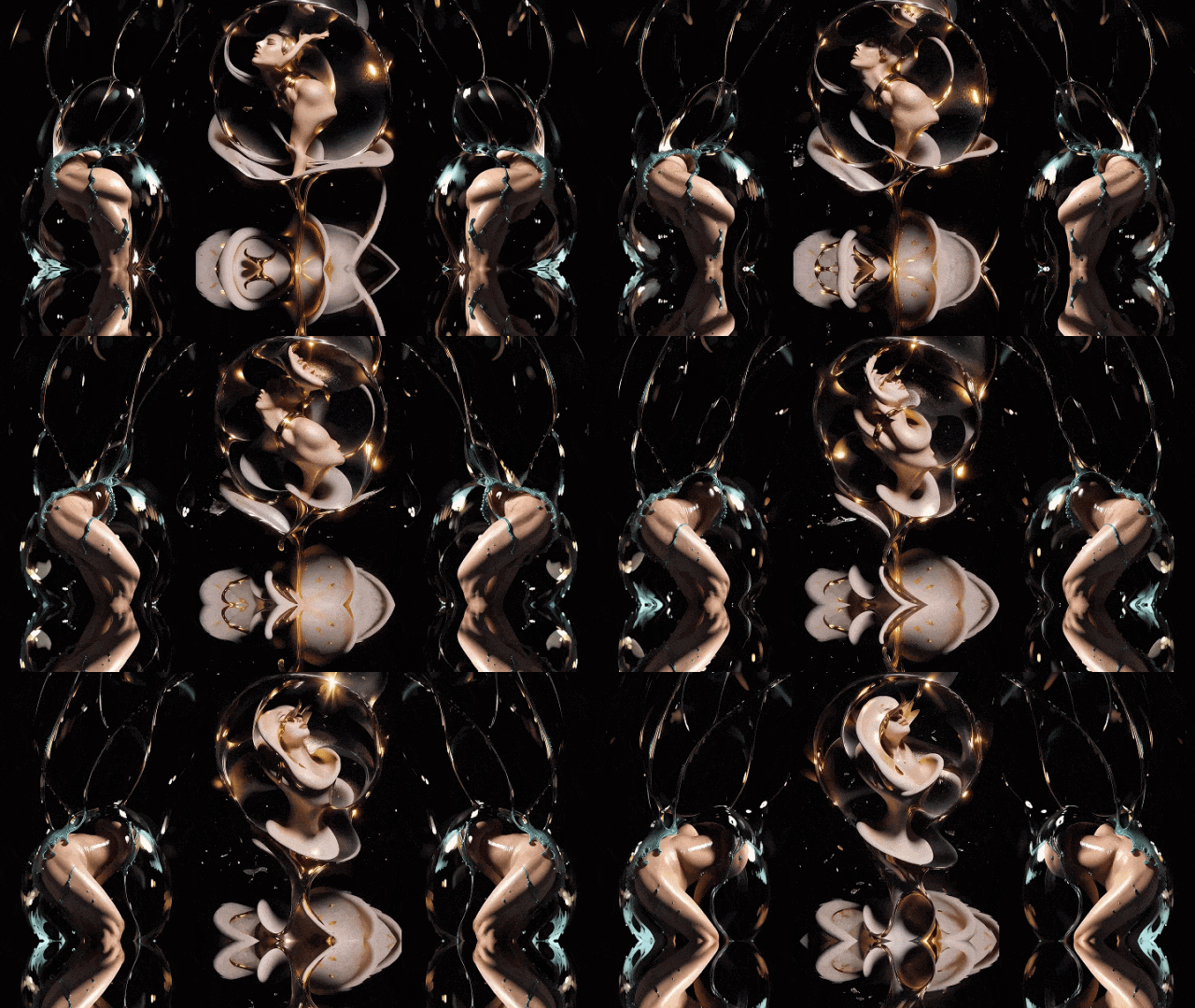
Weird Creatures
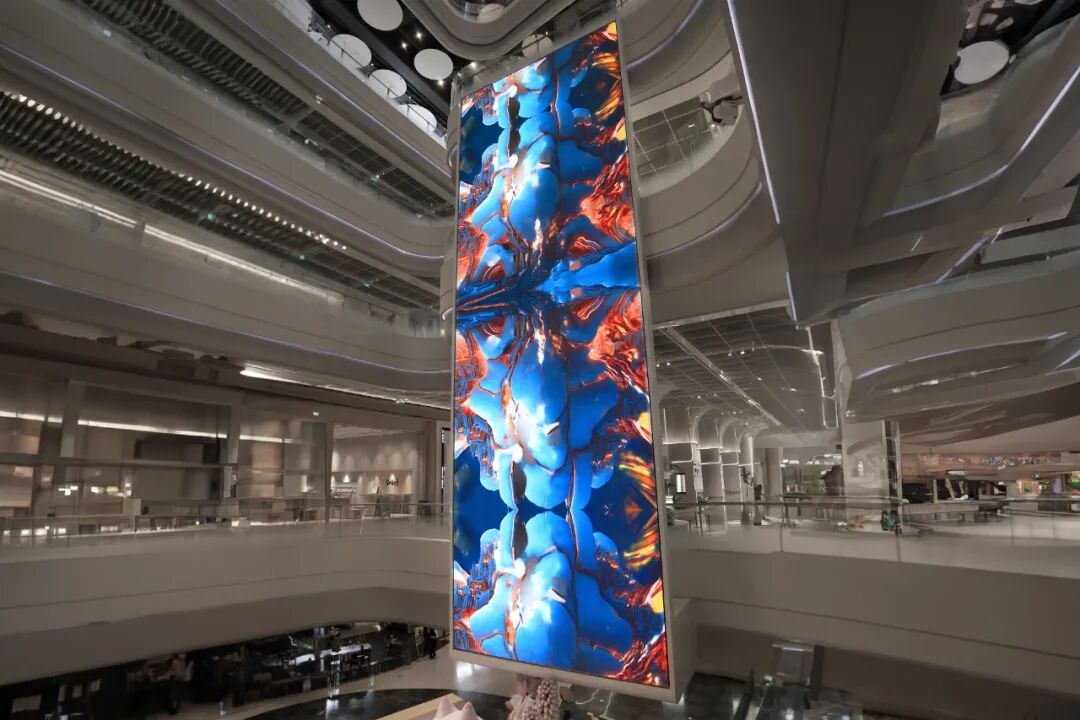
Co-Authored Traversals
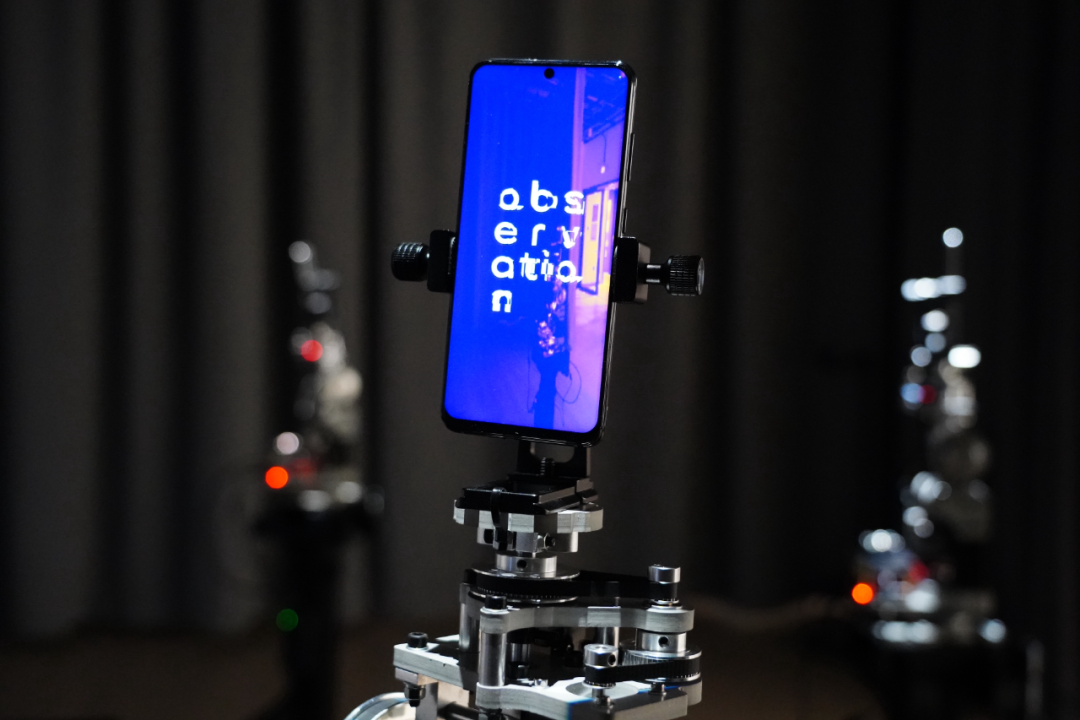
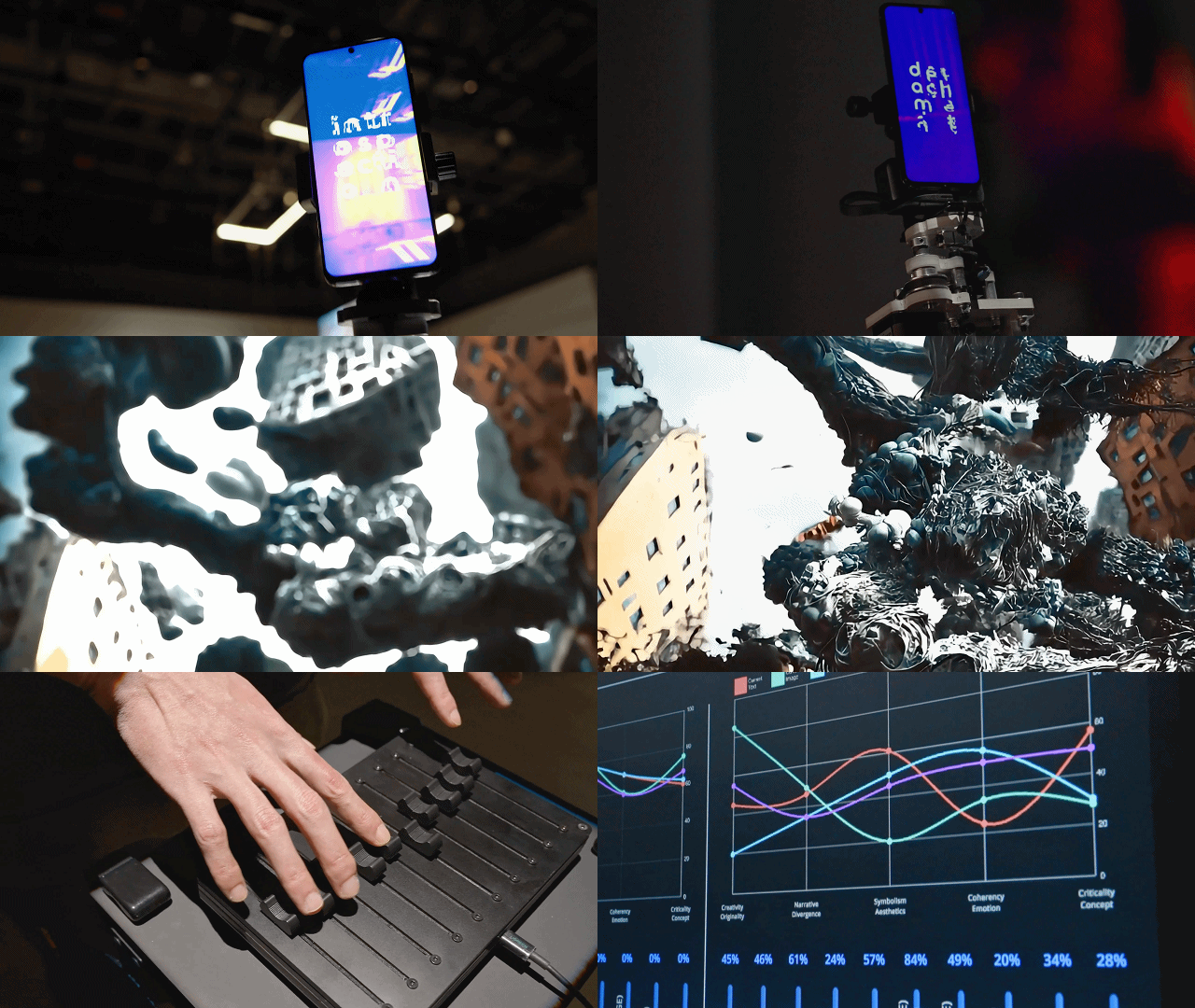
Logico-Fantastic Machine
Talk Title《Synthetic Symbionts: Negotiating Agency inComputational Ecologies》
This talk presents selected art and technology case studies created by Stavros Didakis to examine philosophical, anthropological, and ecological matters. The methodological frameworks explore interpretations on multimodal media, computational agency for self-divergence, and parasitism as a generator for emergent consciousness traits in machine systems.
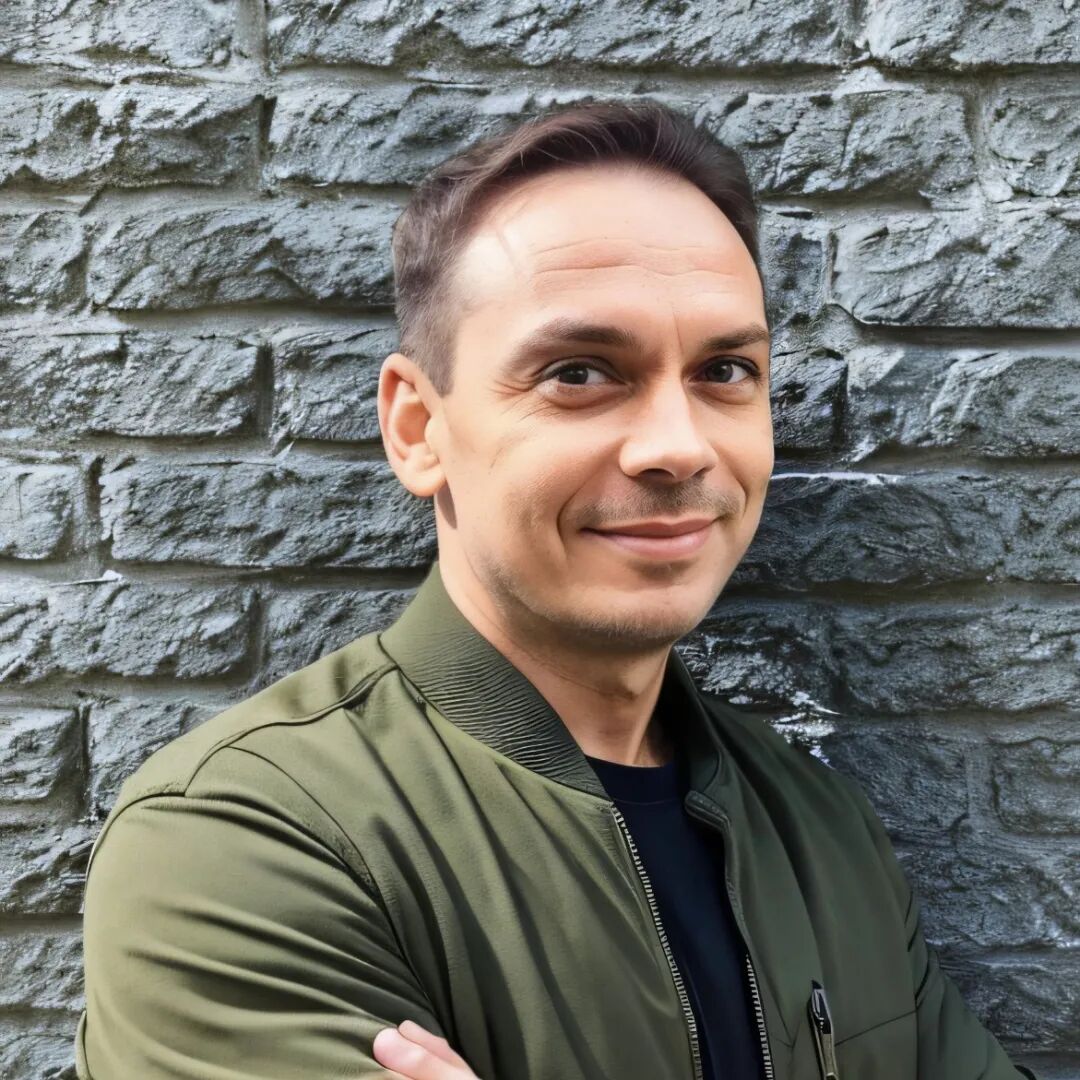
Leon Krykhtin
Artist & Filmmaker, AI/New Media Pioneer.
Professor of Generative AI and Storytelling,
Zhejiang Wanli University and
Shanghai Institute of Visual Arts.
Leon Krykhtin develops generative cinema and AI-driven installations, exploring hybrid creative workflows that merge human imagination with computational tools.

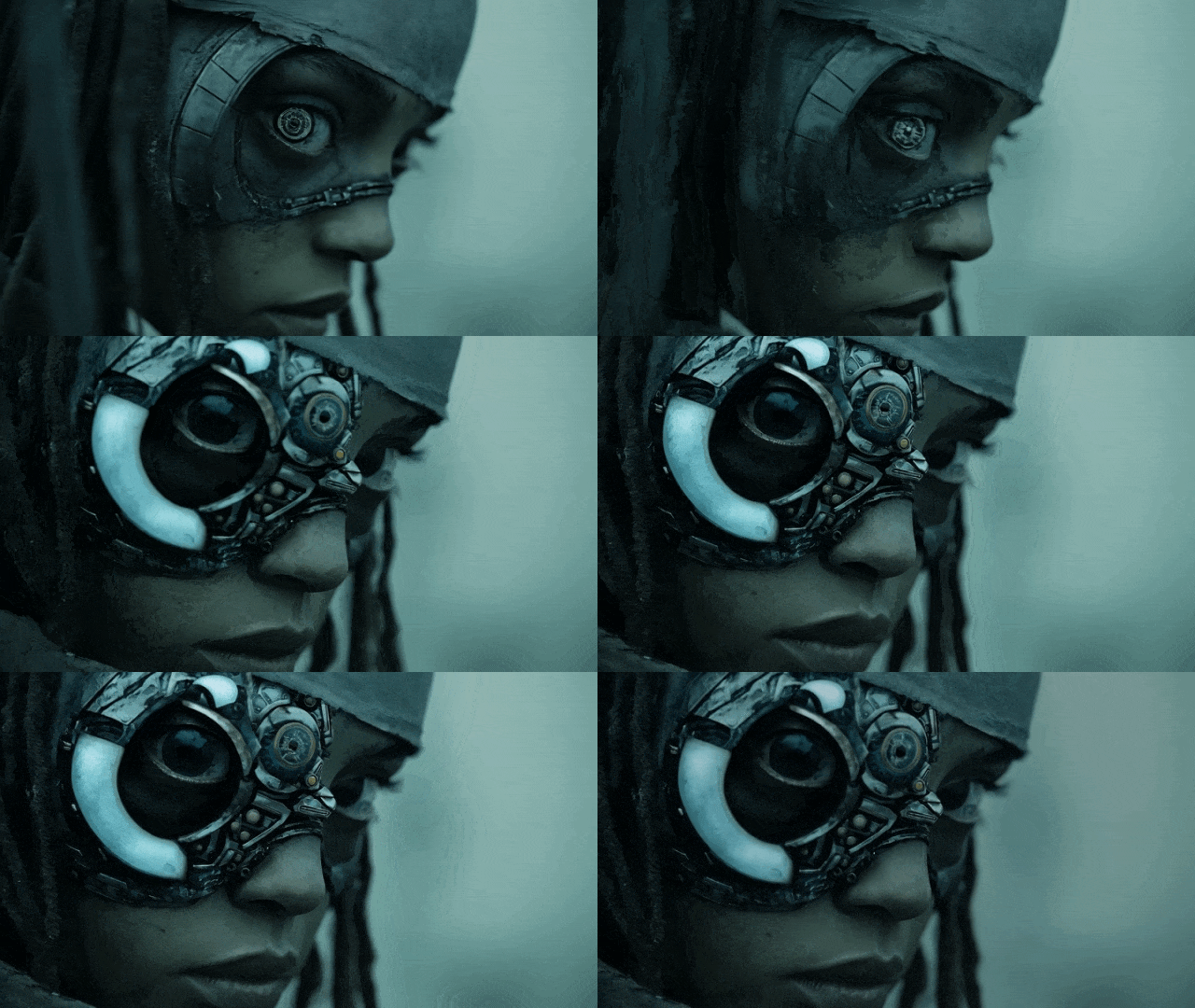
MERCILESS, 2025,Al-generated film trailer stills,Courtesy of the artist Leon Krykhtin
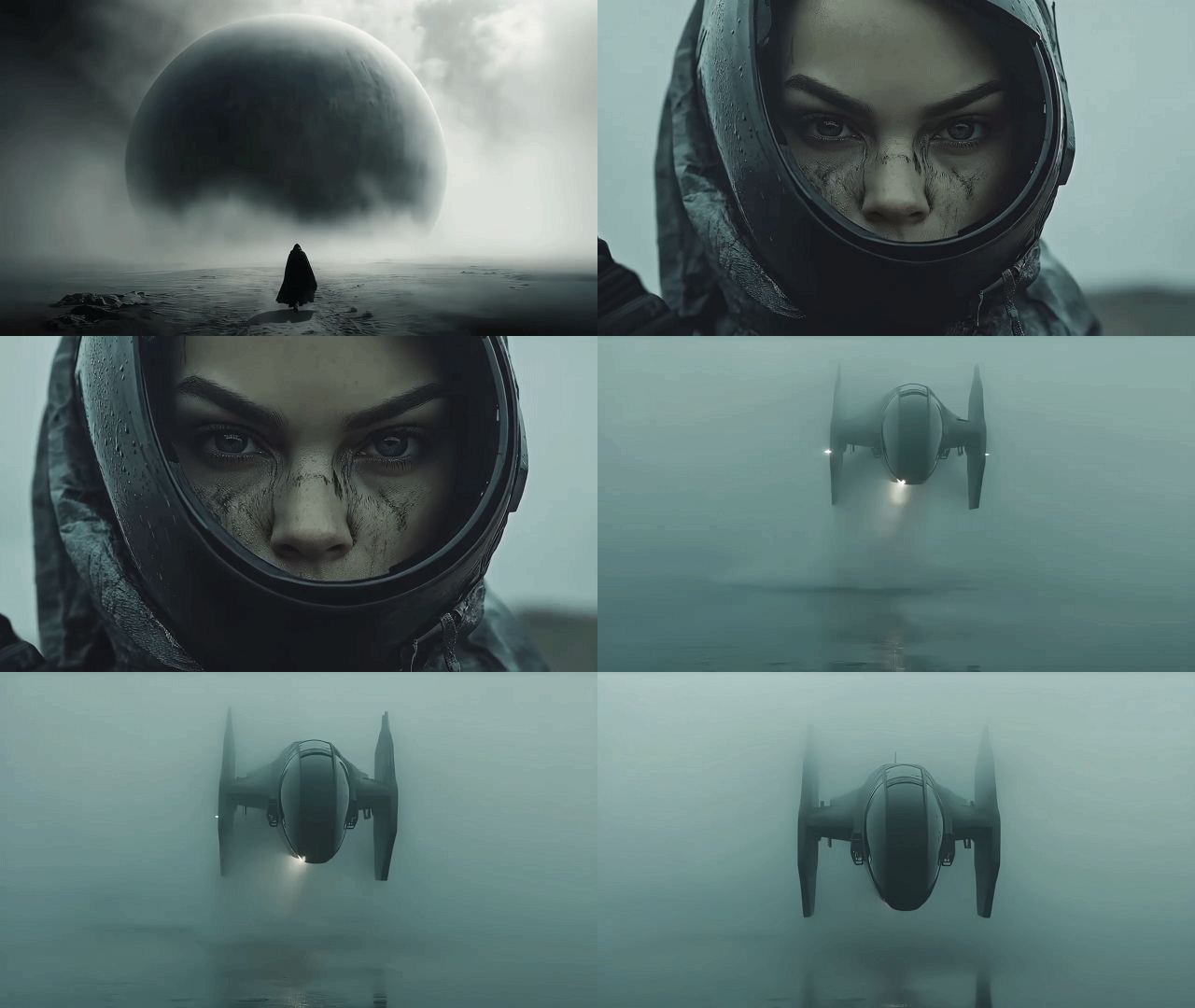
Trailer from a sci-fi anthology series MERCILESS, 2025
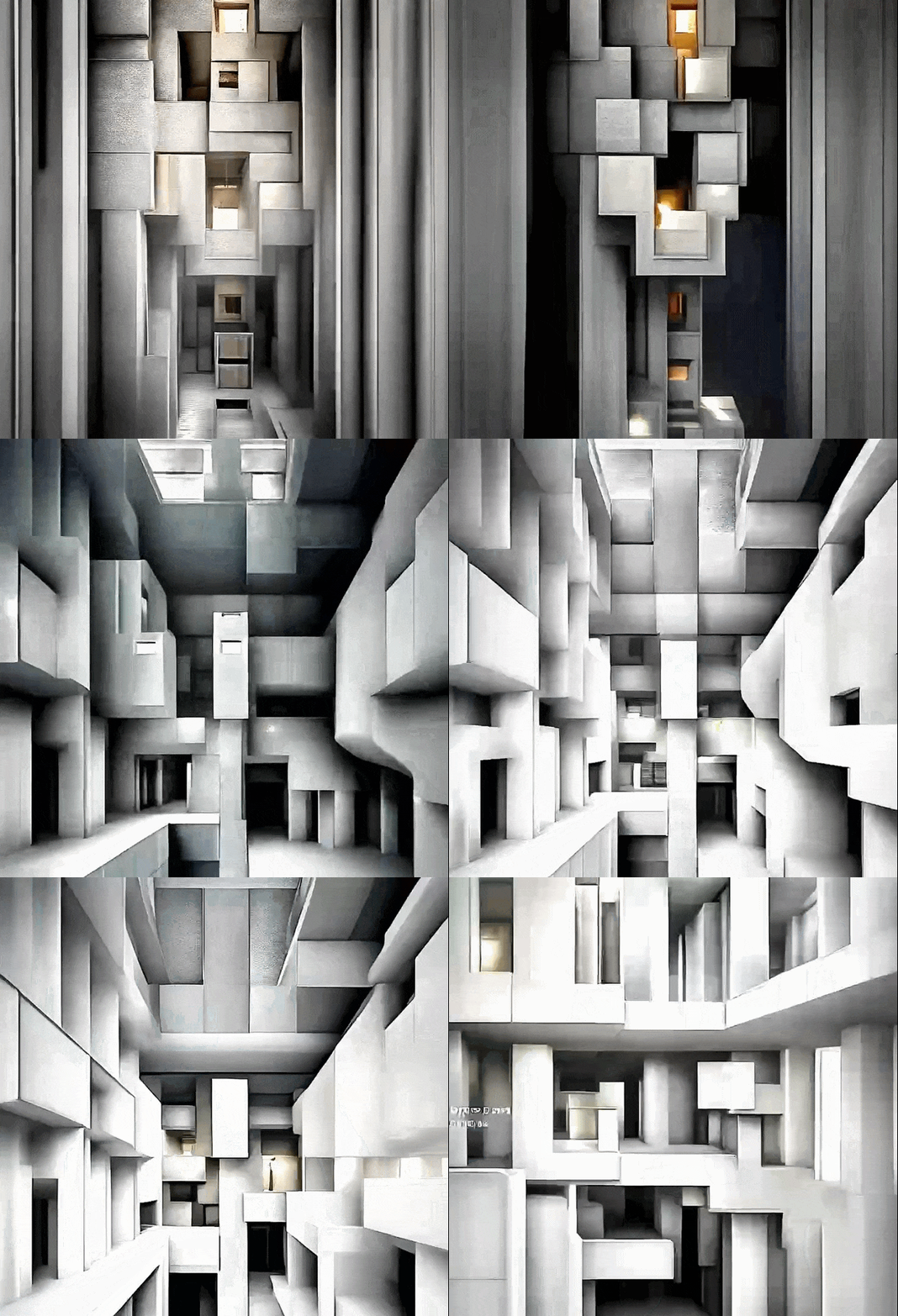
Metamorphosis, 2025
Talk Title
《MERCILESS. Exploring the Future
of AI in Cinematic Storytelling》
In this artist talk, Leon Krykhtin presents his AI sci-fi miniseries MERCILESS as a speculative meditation on consciousness in an age when machines begin to create and humans confront what remains of their own soul. Through its cinematic language and atmospheric storytelling, the series transforms questions of spirituality, morality, and compassion into a visual exploration of human identity under the shadow of artificial intelligence. Krykhtin examines whether mercy, empathy, and the soul are uniquely human—or if they might emerge within synthetic life. By probing the boundary between consciousness and computation, MERCILESS invites audiences to experience it not as dystopia, but as a reflective mirror of our collective search for meaning in the algorithmic era.

Nataline Colonnello (箫岭)Independent curator andfounder of ThinkCanvas (思维画布)
Operating at the intersection of art, science, and technology, Nataline Colonnello’s work investigates neuroaesthetics, generative systems, and immersive environments, foregrounding the entanglements of cognition, embodiment, and artistic meaning-making.